Mold Removal & Remediation in Little Rock, AR
Whether you need mold removal or full mold remediation, Arkansas humidity means mold can start in wet drywall within 24–48 hours — fast drying stops it before it spreads, and safe removal handles it once it's started.
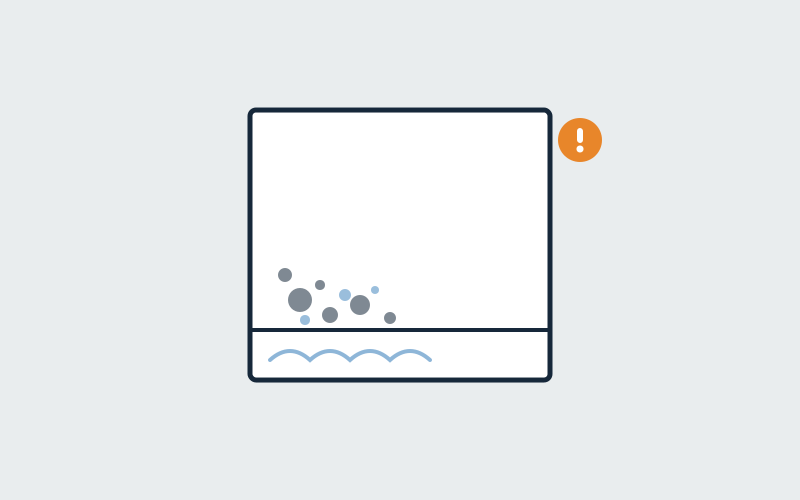
Source Fixed, Not Just Covered
Removing visible mold without fixing the moisture that fed it just buys a few months before it's back. Both get handled the same visit.
- Affected material identified and safely removed or treated
- Moisture source — leak, crawl space, condensation — located and addressed
- Containment used so spores aren't spread to unaffected rooms
- Area confirmed dry before the job is called finished
Why Speed Matters
You Call
Describe what you're seeing or smelling — a stain, a musty odor, visible spots. A same-day inspection is scheduled, free either way.
Inspection
The contractor checks moisture levels behind the surface, not just what's visible, since mold usually starts inside a wall before it shows.
Dry or Remove
Caught early, it's a drying job. Caught late, it's a removal job. Either way the moisture source gets fixed so it doesn't return.
Common Causes in Little Rock
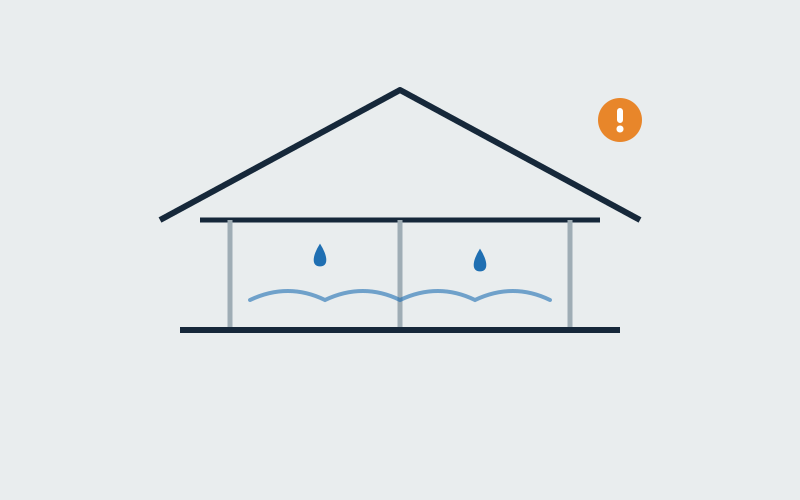
Crawl Space Moisture
A lot of central-Arkansas housing sits on crawl spaces that trap ground moisture underneath the floor joists — a slow, hidden source that feeds mold for months unnoticed.
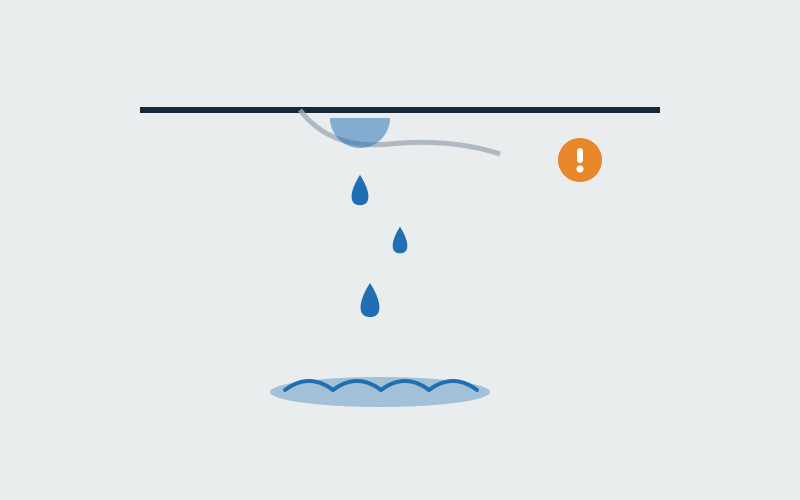
Ceiling Leak
A slow drip from the roof or an upstairs bathroom soaks insulation and drywall for weeks — by the time a stain shows, mold's often already started behind it.

Drying Too Late
Water that sits more than a day or two before drying equipment shows up gives mold the window it needs. Fast extraction is the real prevention — not a fungicide spray afterward.
Signs You May Need Mold Removal
Mold usually announces itself before it's fully visible. These are the signs that send Little Rock homeowners looking for mold remediation.
A musty smell that returns
An earthy, damp odor that comes back after airing out the room often points to moisture and growth hidden behind a wall or under flooring.
Visible spots or fuzzy patches
Dark, green, or white patches on walls, ceilings, baseboards, or around windows are the obvious sign, though they're often only the surface of a bigger problem.
Stains that keep coming back
A ceiling or wall stain that returns after cleaning or painting usually means water is still getting in.
Peeling paint or bubbling drywall
Moisture trapped behind the surface lifts paint and drywall paper, and damp drywall is where mold likes to start.
A damp crawl space
Standing moisture, condensation on ducts, or a heavy damp smell coming up through the floor can feed growth for months unnoticed.
A leak that sat too long
If a flood, leak, or roof problem wasn't dried within a day or two, it's worth an inspection even if nothing looks wrong yet.
Mold Removal in Arkansas Humidity
Central Arkansas summers are hot and damp, and many older Little Rock homes sit over crawl spaces that hold ground moisture. That combination means any wet drywall, insulation, or subfloor can start growing mold quickly if it isn't dried out.
That's also why mold removal and mold remediation are two parts of one job. Removal takes out the growth and the materials it has damaged. Remediation covers the whole process, including finding and fixing the moisture that caused it.
What Mold Remediation Involves
- Inspection and moisture readings to find where mold is, and where the water came from
- Containment so spores aren't carried into clean rooms
- Removal of affected drywall, insulation, and other materials that can't be cleaned
- Cleaning and drying of the surfaces and framework that stay
- Repair of the moisture source, so the problem doesn't return
When Testing Makes Sense
If mold is visible or the area has had confirmed water damage, testing usually isn't needed to decide on removal, because the fix is the same either way. Testing can make sense when you smell mold but can't find it, when an insurer, buyer, or landlord asks for documentation, or when you want to confirm the area is clear after cleanup. The free on-site inspection is the place to start.
What Homeowners Ask First
How fast does mold really start?
In Arkansas humidity, wet drywall or framing can start growing mold within 24–48 hours. That's why the first day after any leak or flood matters more than almost any other step in the process.
Can I just clean visible mold myself?
Surface cleaning can knock down what's visible but usually doesn't reach what's growing inside the wall cavity or under flooring, and it does nothing about the moisture source. It tends to come back within weeks.
Is mold remediation covered by insurance?
It depends on what caused it — mold from a sudden, covered event like a burst pipe is more often covered than mold from a long-ignored slow leak. The contractor documents the source and moisture readings to support your claim either way.
What's the difference between mold removal and mold remediation?
The two terms are often used interchangeably. Mold removal is taking out the growth and damaged materials. Mold remediation is the full process: inspection, containment, removal, cleaning, drying, and fixing the moisture source so mold doesn't return.
Do I need mold testing before removal?
Often not. If mold is visible or the area has had confirmed water damage, the fix is the same with or without a test. Testing can help when you smell mold but can't find it, or when someone needs documentation. The contractor can talk through whether it makes sense for your home during the free inspection.
Can mold come back after removal?
It can if the moisture source isn't fixed. Removing mold without addressing the leak, crawl space moisture, or humidity that fed it usually means it returns, which is why the source gets fixed as part of the job.
Watch: the 60-second version
Seeing Mold or a Musty Smell?
Call now for a free on-site inspection — the sooner it's caught, the smaller the job.